→Take a look at your options
Explore pathways
There are lots of routes you can take after 16. Here’s a plain guide to the main pathways — what they are, who they suit, and which organisations near you offer them.
Sixth Form
Sixth Form is one of the most common routes after GCSEs and is ideal for students who want to continue studying academic subjects. Most students work towards A Levels, although some sixth forms also offer BTECs and other Level 3 qualifications. These qualifications are widely recognised by universities and employers and can open the door to higher education, apprenticeships and professional careers.
Learn more →College
College offers a wide range of options for students leaving school after their GCSEs. Depending on your interests and career goals, you could study A Levels, BTECs, T Levels, NVQs or other technical and vocational qualifications. Colleges often combine classroom learning with practical, industry-focused experience and provide routes into university, apprenticeships and employment. Whether you’re aiming for a specific career, exploring your options or planning to progress to higher education, colleges provide flexible pathways that can be tailored to your interests and ambitions.
Learn more →Apprenticeship Provider
Apprenticeships are designed for people who want to start building a career straight after their GCSEs. You’ll work for an employer, earn a salary and study towards nationally recognised qualifications while gaining valuable real-world experience. Depending on the apprenticeship level and industry, you could achieve qualifications such as vocational certificates, diplomas, NVQs and apprenticeship standards. They offer a direct route into employment while continuing your education and developing skills that employers value.
Learn more →Public Sector
The public sector includes organisations such as government departments, local councils, the NHS, emergency services and the armed forces. After your GCSEs, you can enter the public sector through apprenticeships, college courses, training programmes or employment opportunities. Depending on the route chosen, you may gain qualifications ranging from Level 2 Apprenticeships through to degree-level and professional qualifications, while building a career that helps support communities and public services.
Learn more →Training Provider
Training programmes help students develop practical skills and industry knowledge after leaving school. Depending on the provider and subject area, you may work towards qualifications such as NVQs, Certificates, Diplomas or industry-recognised professional awards. Many training programmes focus on preparing learners for specific jobs, trades or industries, helping build confidence and employability while developing skills that employers are actively looking for.
Learn more →Charity
Volunteering is a great way to gain experience after your GCSEs while supporting a cause or organisation you care about. Although volunteering does not always lead to a formal qualification, some programmes include training or accredited awards. It can help build confidence, develop communication and teamwork skills, strengthen future applications and provide valuable insight into different careers and industries.
Learn more →Employment
Starting work after your GCSEs allows you to gain valuable workplace experience while earning a wage. If you’re aged 16 or 17, you’ll still need to continue in education or training alongside your job, which may include studying towards qualifications such as Functional Skills, NVQs or other work-based qualifications. This route is ideal for those keen to gain practical experience, develop workplace skills and begin building their career immediately while continuing to learn.
Learn more →Alternative Provision
Alternative Provision (AP) offers education and support for young people whose needs may not be fully met through mainstream schooling. This can include specialist settings, personalised learning programmes, vocational training and tailored support designed to help students develop confidence, skills and qualifications after their GCSE years. Many Alternative Provision programmes combine classroom learning with practical experiences and can lead to recognised qualifications such as GCSEs, Functional Skills qualifications, vocational certificates, BTECs or other accredited awards. The aim is to help young people find a pathway that works for them and supports their progression into further education, training, employment or apprenticeships.
Learn more →University
University is usually a progression route after completing qualifications such as A Levels, T Levels, BTECs or an advanced apprenticeship. Students study towards qualifications including Foundation Degrees, Bachelor’s Degrees and, in some cases, Master’s Degrees. University provides specialist knowledge, independent learning skills and recognised qualifications that can support careers in areas such as teaching, engineering, healthcare, business, law, science and many other professions.
Learn more →Volunteering
Give your time to support a cause, organisation or community. Build skills, confidence and experience while making a difference.
Learn more →→Get help finding your pathway
Unsure? We’ll help
We can help you find a future based on your interests and how you like to work. It’s easy and only takes a couple of minutes.

→Fancy attending?
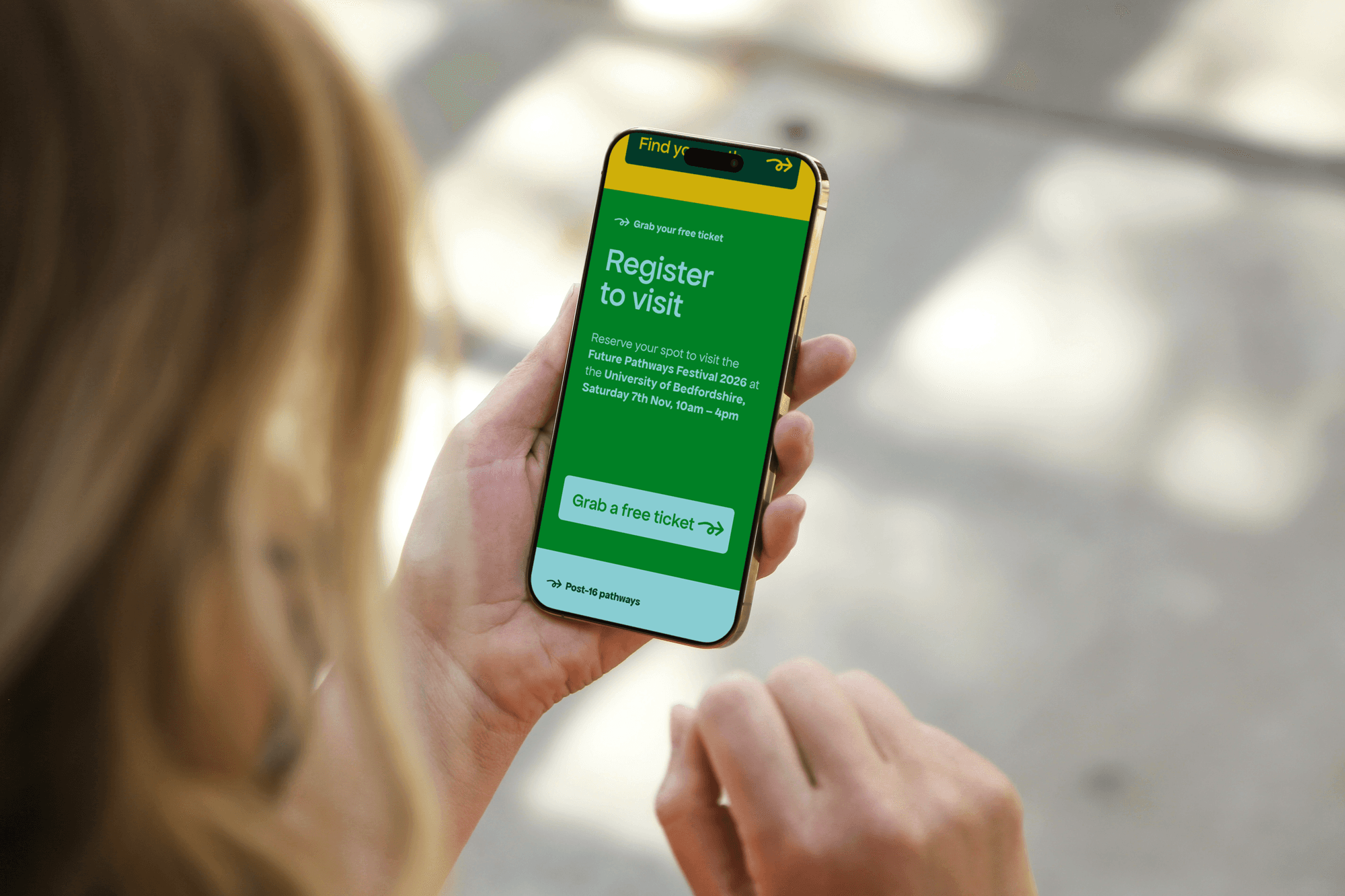
Grab a free ticket
Reserve your spot to visit Future Pathways 2026 at University of Bedfordshire, Bedford Campus — Saturday 7 November 2026, 10am – 4pm.